The first year of a business is full of small transactions: software trials, domain renewals, equipment, client deposits, mileage, contractor billsa ...
Spare Parts vs. Big Equipment: Which Business Model Brings Higher Profit in the Home and Garden Market?
Written by: Howard Tillerman
Howard Tillerman is the Chief Marketing Officer for Step By Step Business and an award-winning marketing professional.
Published on December 9, 2025
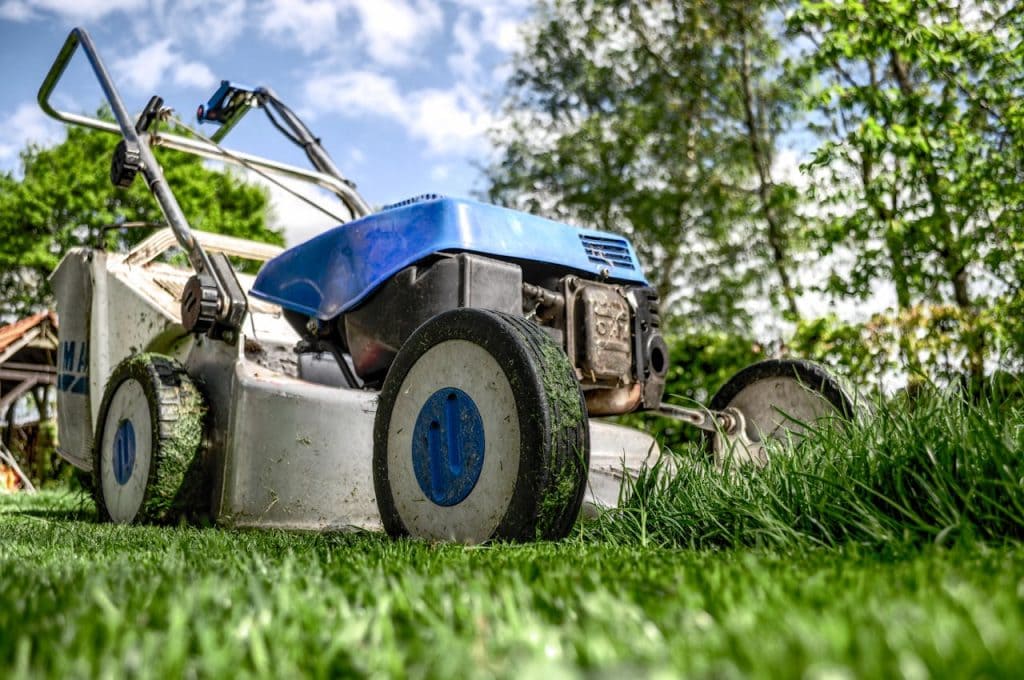
The lawn and garden equipment market is experiencing a real boom. The COVID-19 pandemic has changed priorities for millions of people. Families have moved en masse from cities to remote areas that have been neglected for years and have begun to renovate them.
Now, some of those people spend only weekends and summer months in their country homes, but some have moved in permanently, which in both cases has led to an increase in demand for garden equipment that continues to this day. Grand View Research forecasts that the global garden equipment market will grow to $138.9 billion by 2030. This creates interesting opportunities for entrepreneurs choosing between selling equipment itself versus parts for it.
The Real Economics of Selling Lawn Mowers
When it comes to trading garden equipment, the numbers turn out surprising. Research from the Outdoor Power Equipment Institute shows average retail margins on new lawn mowers run 12-18%, while parts and accessories hit 35-45%. Plus, parts deliver much more stable cash flow.
Lawn equipment has clear seasonality – sales peak in spring, then demand drops sharply in summer. Consumables, on the other hand, get purchased throughout the operating season. A lawn mower owner replaces the riding mower belt several times per summer, regularly changes blades, filters, spark plugs. According to the Equipment & Engine Training Council, the average buyer spends $300-450 annually on maintenance and parts, which over 7-10 years of operation exceeds the machine’s original cost.
Estimated Lawn Mower Maintenance Costs
| Cost / Expense | Annual Cost (If Done Yourself) | Annual Cost (Hiring a Professional) |
| Full Maintenance (Tune-up): Oil change, spark plug, filter, blade sharpening. | $30 – $80 (parts only) | $85 – $350 |
| Fuel and Oil: Approximately per season. | $50 – $150 | $50 – $150 |
| Minor Repair/Parts: E.g., belt replacement, punctured tire repair, or carburetor cleaning. | $30 – $100 (parts only) | $100 – $350 |
| Annual Total | $110 – $330+ | $235 – $850+ |
Another crucial point – turnover speed. A lawn mower might sit in a showroom for months, while popular parts move in days. This matters critically for small businesses with limited capital, where every tied-up dollar counts.
Entry Barriers: Warehouses and Investment
Starting requirements for the two business models differ drastically. To begin selling lawn mowers, you need at minimum a space for displaying samples. It is generally accepted that normal start-up costs for opening a small lawn equipment dealership range from $50,000 to $150,000, including rent, purchase of demonstration models, insurance, and marketing.
Parts are a completely different story. You can launch an online store literally from your garage. Just $5,000-10,000 covers an initial assortment of the most popular items: belts, blades, filters, spark plugs. A basic Shopify website costs $29 monthly, and shipping can be arranged through standard carriers.
The difference in warehouse requirements is significant too. Lawn mowers take up lots of space – 100 square meters fits maybe 30-40 units of equipment. That same area holds thousands of parts, which generate much higher turnover. Starting out doesn’t require expensive commercial premises with high ceilings and loading docks – a regular garage or small basement works fine.
Comparative Business Model Analysis
| Criteria | Lawn Mower Sales | Parts Sales |
| Starting capital | $50,000-150,000 | $5,000-10,000 |
| Premises | Showroom 150-300 m² | Garage/warehouse 20-50 m² |
| Average margin | 12-18% | 35-45% |
| Deal cycle | 2-12 weeks | 1-3 days |
| Seasonality | High (spring) | Moderate (mowing season) |
| Competition | Dealers, big chains | Less saturated |
| Logistics | Complex, bulky | Simple, compact |
| Repeat sales | Every 7-10 years | Multiple times per year |
| Assortment | 20-50 items | Hundreds-thousands of items |
| Product knowledge | Basic technical | Detailed specifications |
| Financing | Often needed | Rarely |
| Warranty obligations | 1-3 years | 30-90 days |
Managing Assortment and Demand
The complexity of the parts business lies in variety. One lawn mower model might need dozens of different components, and the market has hundreds of models from various manufacturers. According to Stens Corporation, a leading parts distributor, their complete catalog contains over 40,000 SKUs.
Start by analyzing the most popular brands in your region. If John Deere and Husqvarna dominate your area, focus on those makes. The Outdoor Power Parts & Accessories Association (OPPAA) claims in its closed and exclusive reports that consumables (belts, blades, air filters, and oils) account for 60-70% of parts sales. That’s the base to start from.
Modern inventory management systems let you track which items move fast and which sit stagnant. Programs like QuickBooks or specialized aftermarket solutions help automate supplier orders when stock drops below critical levels. This becomes especially important during peak season, when customers need parts “yesterday.”
Suppliers like UDC Parts have built their reputation on quick delivery and comprehensive catalogs, which matters when you’re establishing relationships with wholesale distributors for your startup.
Online versus Offline in the Parts Segment
Digital channels have changed the rules of the game. IBISWorld data shows online sales of lawn equipment parts grew 156% from 2019 to 2023. Buyers appreciated the convenience of ordering needed parts without driving to a store, especially when dealing with remote country properties.
For small businesses, this is a chance to compete with major players. Properly configured SEO targeting specific equipment models brings steady traffic. A search for “replace belt on Craftsman T110” has clear commercial intent – the person knows what they need and is ready to buy right now.
Local shops retain an advantage in urgency. When a lawn mower breaks Saturday morning and the lawn needs mowing before guests arrive that evening, the customer will pay more for the ability to get the part within an hour. That’s why a hybrid model – online sales plus local pickup – works best.
Risks and Pitfalls
Technology changes can quickly devalue part of your assortment. The shift to electric models, gaining momentum due to environmental requirements, is changing demand structure. Allied Market Research predicts that the share of electric lawn mowers will increase by 2030. This means lower demand for internal combustion engine parts, but higher demand for batteries and electronic components.
Counterfeits and low-quality Chinese copies create price competition. An original mower blade might cost $40, while an AliExpress equivalent runs $12. Convincing buyers to pay three times more only works through education: demonstrating the difference in metal quality, durability, operational safety.
Seasonality remains a challenge, though smaller than with equipment sales. From November through March, parts sales drop 60-70% in northern regions. This requires financial planning and diversification – for example, adding parts for snow removal equipment or other seasonal goods.
Conclusion
Analysis shows a clear advantage for parts when starting a business: 10-15 times lower investment, triple the margins, faster capital turnover. The suburban living boom created an army of new lawn equipment owners who need regular maintenance. Meanwhile, the entry barrier is minimal – a garage and $10,000 in starting capital suffices. Selling large equipment requires serious warehouses, dealer agreements, customer financing. For small businesses the choice is obvious – parts offer better odds for quick launch and stable profits.
Subscribe to Our Newsletter
Join our exclusive community! Subscribe to our newsletter
and gain insider access to cutting-edge business insights and trends.
and gain insider access to cutting-edge business insights and trends.
Thank you for subscribing! We can't wait to share our latest news and updates with you. Get ready for exciting content in your inbox.
Featured Resources

How to Keep Personal and Business Finances Separate in Your First Year
Published on August 17, 2026
Read Now

How To Discover Your Ideal Franchise Opportunity: A Step-By-Step Guide
Published on July 31, 2026
Starting a business is an exciting milestone, but choosing the right opportunity can be overwhelming. Franchising offers a proven business model,est ...
Read Now

How New Dental Practices Can Improve Case Acceptance Without Cutting Prices
Published on April 17, 2026
Starting a dental practice comes with no shortage of challenges, from managing overhead costs to building a steady patient base. But one of the most ...
Read Now
Comments